Nobody Funds the Radiator: The Silent Shame of Core Costs
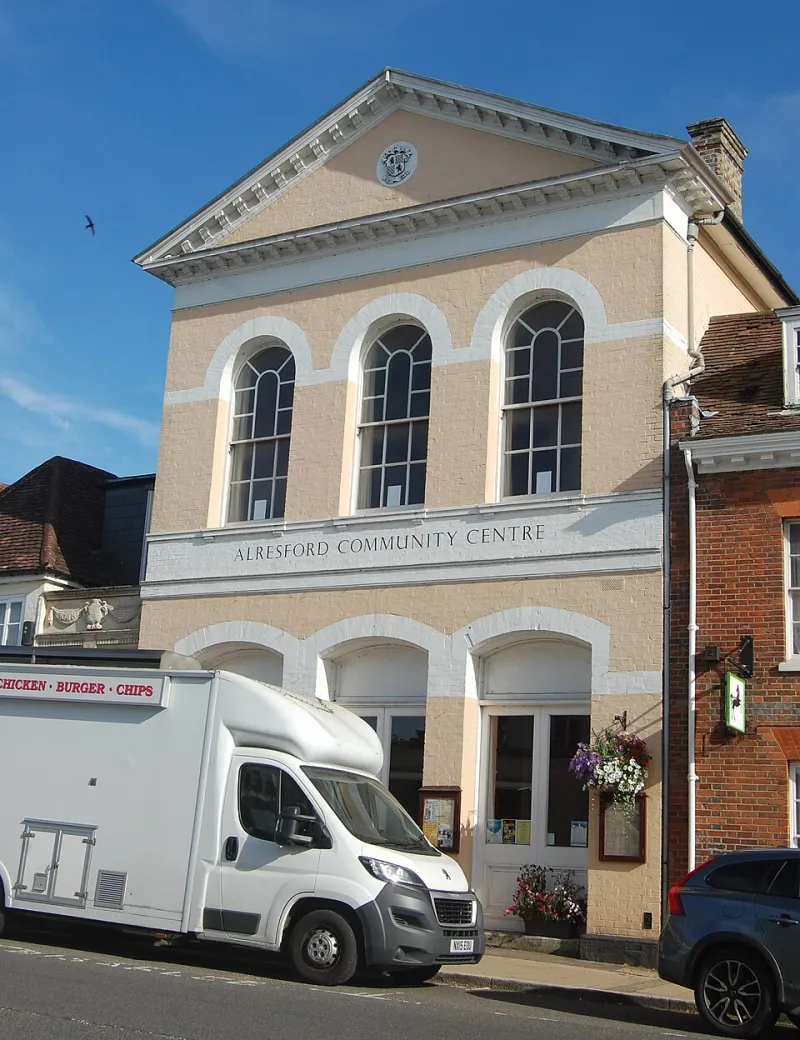
Photo: Hassocks5489, CC0, via Wikimedia Commons
The Question Nobody Asked
Earlier this year, we sat down with the leaders of twenty small charities from across the UK — from a youth club in Middlesbrough to a lunch club in rural Somerset. We asked each of them a deceptively simple question: what does it actually cost to run your building for a year?
The answers told us something uncomfortable. Not one organisation had budgeted their energy costs accurately. Most had quietly pencilled in a figure three or four years out of date. Several had estimated their annual electricity spend at less than what their last winter quarter bill showed. And yet every single one had carefully costed their project delivery — session workers, materials, transport — down to the last pound.
This was not carelessness. It was strategy. Or rather, it was the residue of a strategy the whole sector has absorbed: funders pay for frontline work, so that is what you show them.
The Fiction of the Free Building
There is a proud phrase that echoes through British philanthropy: every pound to the frontline. It sounds virtuous. It implies efficiency, dedication, a sector that would rather spend money on people than paperwork.
It is also, in the case of community organisations, a fiction — and a damaging one.
A village hall that hosts a bereavement group cannot operate on goodwill alone. It needs a boiler that works, an insurance policy, a fire door that closes properly, and someone to unlock it on a Tuesday morning. Strip those away and the frontline work does not become more efficient. It simply stops.
Yet the charities we spoke to had internalised the belief that admitting these costs would make them look profligate. One chief executive in the North East told us she deliberately absorbed heating costs into an 'overheads' line so small it was, in her words, 'a rounding error the auditor keeps flagging'. Another, running a community centre in a former chapel in South Wales, described applying for project grants while the building itself sat at eleven degrees because the trustees had agreed they could not afford the oil.
What the Survey Actually Revealed
The pattern in our twenty conversations was consistent enough to be called a systemic problem:
- Energy costs were consistently understated, usually by reference to a pre-crisis bill nobody had updated.
- Project budgets were padded — not fraudulently, but with a little contingency here, a slightly generous day rate there — to create room for the bills nobody would fund directly.
- Nobody had ever applied for a grant to cover the lights. Not one. Several assumed it was against the rules. It almost never is.
The stigma, in other words, is not imposed by funders alone. It has been so thoroughly rehearsed that charities now impose it on themselves. They have learned to translate their real needs into the language funders are assumed to want to hear.
The Cold Building Problem
The consequences are not abstract. Buildings fall into disrepair. Volunteers work in coats. Prepayment meters are topped up from accounts that were never designed to bear the load, and when the reserves run dry, it is the Tuesday lunch club that is cancelled — not the chief executive's salary, because there usually is not one.
There is also a fairness question. Larger charities, with professional fundraisers and sophisticated finance teams, know how to present core costs credibly and negotiate full-cost recovery. Small organisations, run by two trustees and a folder of Excel sheets, simply absorb the shortfall. The sector's most resource-poor organisations are, in effect, subsidising the sector's reporting conventions.
What Funders Owe the Sector
We say this as a funder, and it is addressed first to ourselves. If our application forms and guidance make organisations believe that a boiler is a shameful ask and a youth worker is a worthy one, then we have designed the incentive. The fiction of the free building is a story funders told, and charities dutifully learned.
Honesty has to start somewhere, and it may as well start with the people holding the chequebook. That means saying plainly that electricity, insurance, maintenance and the person who unlocks the door are not overheads to be minimised but the very conditions of delivery. It means publishing what we will and will not fund, so that organisations stop guessing. And it means reading a budget that shows a realistic heating bill not as a red flag, but as a sign that the applicant has done their sums.
A Modest Proposal
To the charities reading this: ask for the radiator. Ask for the lights, the insurance premium, the boiler service. A funder who is frightened off by an honest electricity bill was never going to sustain your work anyway.
And to our fellow funders: the proudest thing a community organisation can show us is not a budget in which the building costs nothing. It is a budget in which the building is warm, the lights are on, and the numbers are true.
Every pound to the frontline is a fine slogan. But the frontline, in February, is freezing — and somebody has to pay for the heating.