Behind the Assessment Room Door: A Funder Answers the Questions Applicants Never Ask
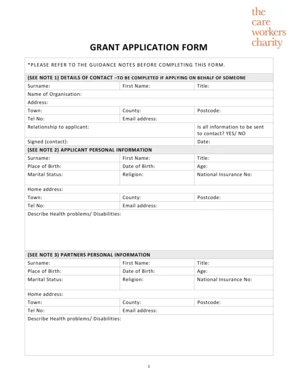
Photo: grant application paperwork desk charity office UK, via www.pdffiller.com
Every year, hundreds of organisations apply to the Fraser Thomson Foundation. And every year, our grants team hears the same polite questions in webinars and funding fairs — while the sharper, more revealing questions go unasked. Applicants wonder whether they will seem naive, or risk their chances, by asking how this really works.
So we asked ourselves: what would applicants say if there were no consequences? We sat down with three members of our grants team and gave them the questions we suspect applicants actually want answered. Their answers have been edited only for length.
"Does the length of the application actually matter, or are you just covering yourselves?"
"Honestly, both," admits our senior grants officer. "Some of the length is legal necessity — we are stewards of other people's money and due diligence is not optional. But I'll be candid: we ask some questions we could answer ourselves with a quick look at the Charity Commission register. We know this. We are working on it. In the meantime, if a question is genuinely answered by your annual report, say so and point us to it. We do not penalise brevity."
"What actually happens in the assessment meeting?"
This is where most of the mystery — and most of the anxiety — sits. The reality is less theatrical than applicants fear.
"We sit around a table with the application summary, the budget, and our assessment notes," one programme manager explains. "Most of the discussion is not about whether your work is worthwhile. It is about whether we understand it well enough to defend it, and whether the numbers hang together. The applications that struggle are rarely the badly written ones. They are the ones where the budget doesn't match the activity plan, or where we cannot tell who benefits and how."
A second colleague adds: "One voice carries real weight — the assessor who visited you or spoke to you by phone. If you made a good impression there, that context comes with us into the room. It matters more than most applicants realise."
"Is there an unwritten hierarchy of causes?"
"There is a written one — our priorities — and then there is the unwritten reality that fit matters more than cause," says our head of programmes. "A brilliant youth project in Middlesbrough that aligns precisely with one of our strands will usually beat a good general community project that sits across three. Applicants spend enormous energy worrying about whether we like their cause. What they should worry about is whether they have matched the right strand, with the right budget, at the right scale. Read the guidance properly. It is dull, but it is the single highest-return thing you can do."
"Do rejection emails mean what they say?"
"Mostly, yes, but they are written carefully," our senior officer concedes. "'Not competitive this round' usually means exactly that — the fund was oversubscribed and you were close. 'Outside current priorities' is often a genuine mismatch, not a brush-off. What applicants should take from a rejection is this: ask for feedback. Very few do. The ones who call us and ask what would have strengthened the bid are, over time, the ones who succeed."
"Are we being judged against organisations with professional fundraisers?"
"Yes, and we know that is unfair," comes the frank reply. "A paid bid writer produces a cleaner application than a volunteer trustee writing at 11pm after a shift. We try to correct for it — we look past polish to substance — but we would be lying if we said polish never influences anyone. This is precisely why we are simplifying our small-grants route and why we offer pre-application conversations. Use them. A fifteen-minute call with us will do more for your application than any amount of agonising over wording."
"What is the one thing you wish every applicant knew?"
There was rare unanimity here: talk to us before you apply, not after you are rejected.
"We are not an obstacle to get past," our head of programmes says. "We are people who want to give this money away well, and we would far rather tell you a bid isn't right for this fund than read it anyway. The funder is not a black box. It is a room full of people who chose this work for the same reasons you did."
If this conversation prompts a question we have not answered, our grants team holds open surgery calls every month. Ask us anything. We will do our best to answer honestly — this time, without waiting to be asked.