The Quiet Ledger: What Caretakers, Volunteers and Receptionists Know That Impact Reports Do Not
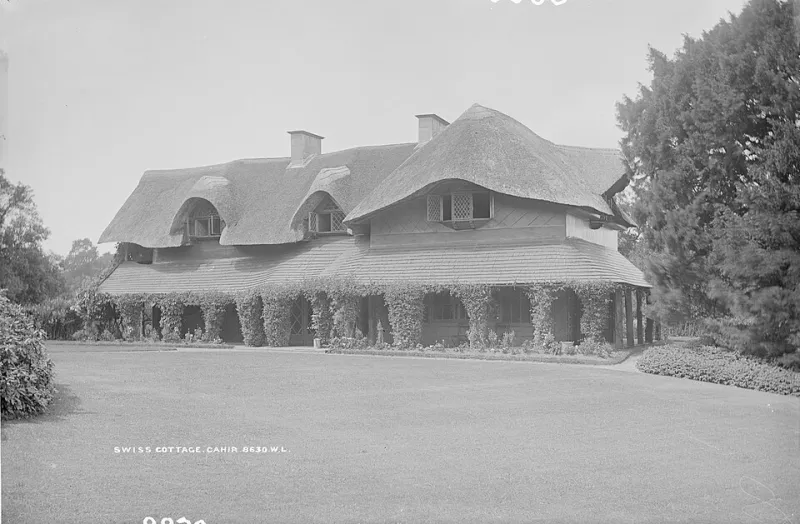
Photo: Robert French, No restrictions, via Wikimedia Commons
The Report That Arrived on Time
Every foundation in the country receives them: neatly formatted monitoring reports, complete with attendance figures, outcome statements and quotations from grateful beneficiaries. They arrive on schedule, they tick the right boxes, and they tell us very little we can rely on.
This is not an accusation of dishonesty. Most project leaders report in good faith, and most reports are broadly accurate. The problem is structural rather than moral. A report is a snapshot assembled by someone with an interest in the picture looking favourable, filtered through the narrow window of what can be counted. What it cannot capture is the texture of daily life in a community project — and that texture is often where the real story lives.
Who Actually Knows
Ask the chief executive of a small charity how a project is going and you will get the considered summary. Ask the person who opens the building at seven each morning and you will get something closer to the truth.
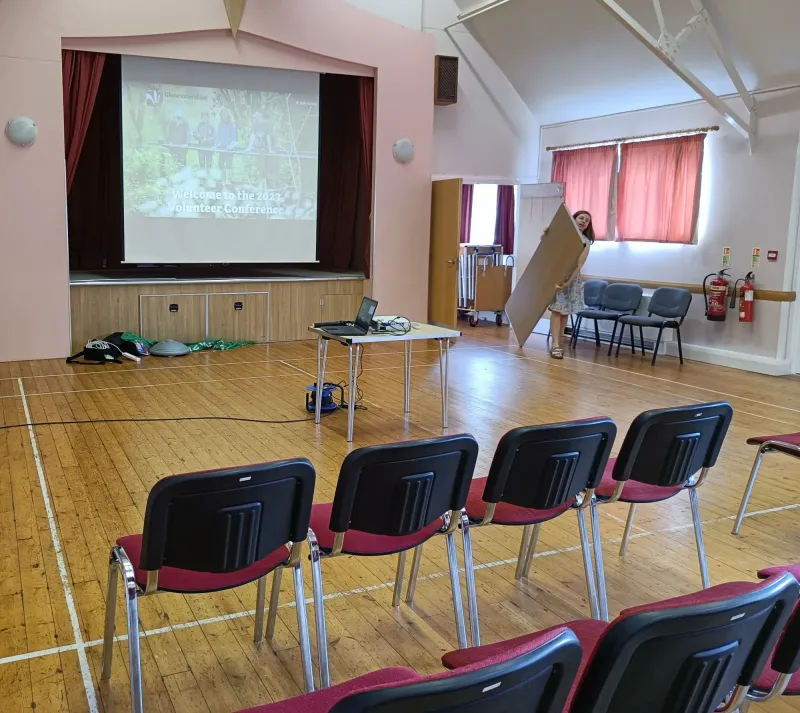
The caretaker of a community centre in the North East told us recently that the youth club had quietly halved in size over six months. No report mentioned it. The session's official attendance figures looked healthy because they counted sign-ins, not drop-offs — young people who came once, found nothing for them, and never returned. The caretaker noticed because he was the one sweeping up afterwards, and the floor told its own story.
A parish council clerk in Somerset keeps an unofficial mental register of which groups have stopped booking the village hall. A hospital volunteer coordinator in Leeds can tell you which befriending scheme is thriving and which has become a rota of obligation. An administrator in a South Wales valleys charity knows, from the tone of phone calls, when the families she speaks to weekly have stopped coping.
These people hold what we might call the quiet ledger: an unwritten record of how a project is genuinely faring, kept by the people whose proximity to the work is daily and unguarded.
Why Funders Miss It
The conventional grant monitoring cycle is built around a single relationship: the funder and the project lead. Reports travel upward through that channel and nothing else does. When something goes wrong — attendance collapsing, a key worker leaving, a community losing faith — the formal channel often discovers it last, if at all, and usually at the point where the problem has become expensive to solve.
There are understandable reasons for this. Funders cannot embed staff in every project they support. Project leads are not obliged to volunteer bad news, and the incentives run the other way. But the consequence is a sector that evaluates itself largely through documents written by the people with the most to lose from candour.
A handful of funders have begun to experiment. Some now conduct brief, unannounced visits that deliberately bypass the project lead — a cup of tea with the sessional worker, a word with the volunteer doing the washing up. Others have started asking grant holders to name, at application stage, three people other than the chief executive who could speak honestly about the work. One regional funder we spoke to holds what it calls 'kitchen table conversations': informal, unminuted chats with frontline staff, funded by a modest honorarium for their time.
None of this requires new bureaucracy. It requires a deliberate act of humility: accepting that the most useful intelligence a funder can gather may come from the person who sweeps the floor.
Observation Over Paperwork
We are not arguing that formal reporting should be abandoned. Financial accountability matters, and trustees cannot discharge their duties on the strength of anecdote. But there is a difference between accountability and understanding, and the sector has invested heavily in the first while neglecting the second.
Understanding looks different. It asks who has stopped coming, not just how many came. It notices the group that has quietly changed character since it began. It values the observation that a project's biggest achievement this quarter was not an outcome at all, but the fact that the two volunteers who nearly resigned in February are still there.
For grant holders, the invitation is this: introduce your funders to the people who really know the work, and protect them when they speak candidly. For funders, the invitation is simpler and harder: build relationships and visiting habits that make the quiet ledger legible, and treat the caretaker's account with the same seriousness as the annual report.
The buildings where community life happens are opened and closed by people who see everything. It is time the sector started asking them what they have seen.